

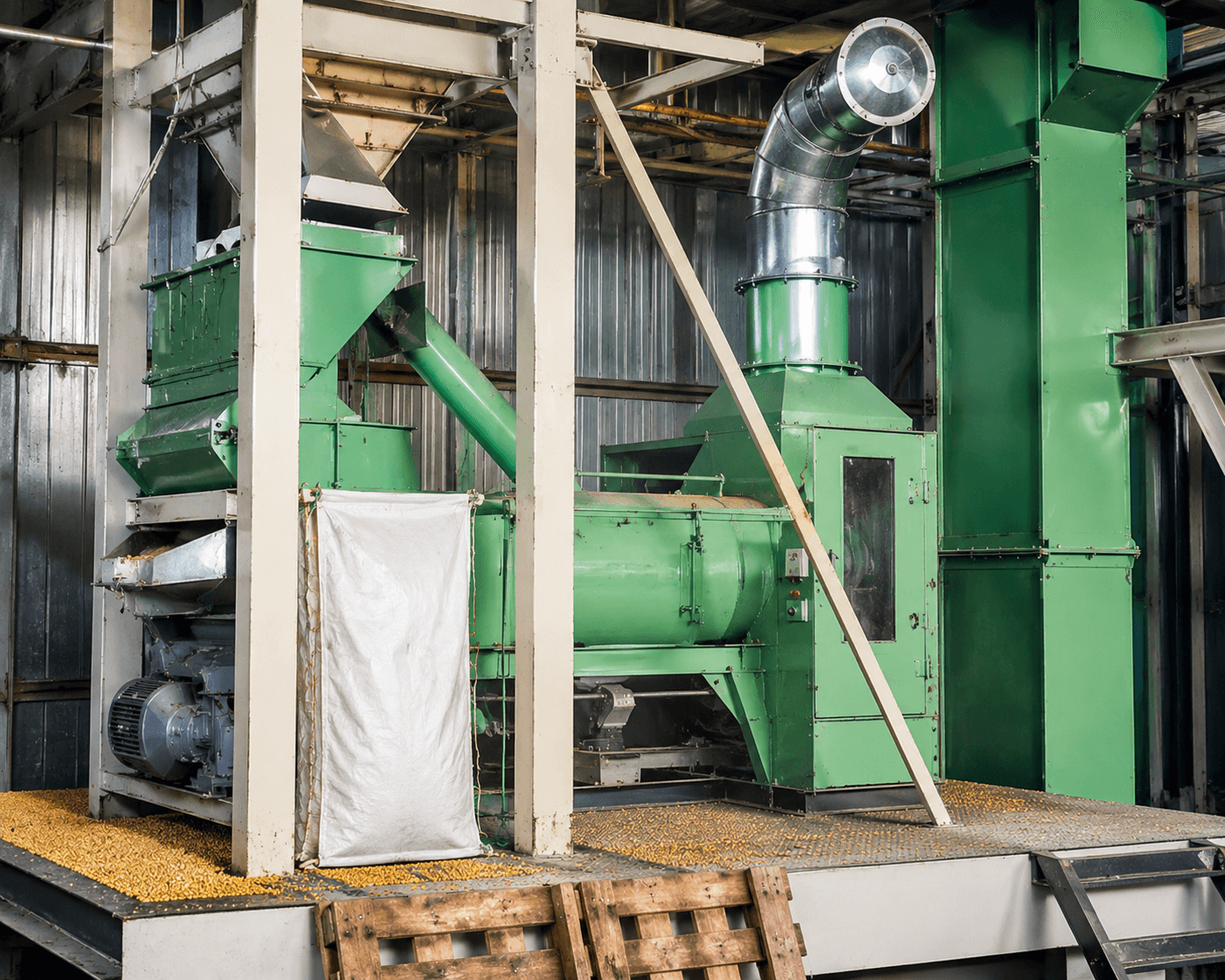
Step 01
Cleaning
We begin by cleaning the soybeans to get rid of stones, dirt, and other foreign materials. This step makes sure that pure top-quality beans continue to the next stage of the process.



Manufacturing Process
Our up-to-date manufacturing plant aims to produce premium soybean meal and crude soybean oil. We strive for excellence in every phase making sure our products match the best quality benchmarks.
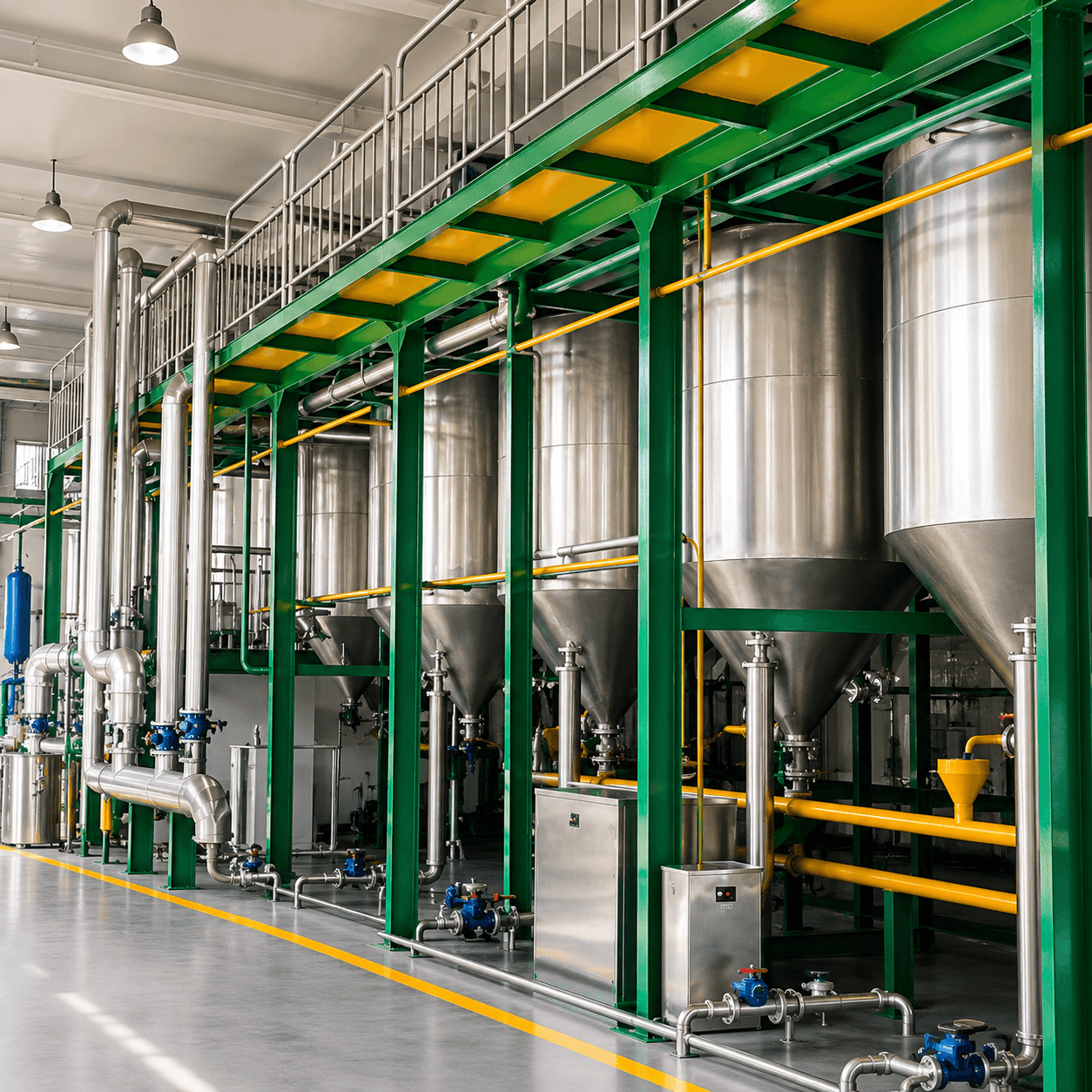
Our up-to-date manufacturing plant aims to produce premium soybean meal and crude soybean oil. We strive for excellence in every phase making sure our products match the best quality benchmarks.
Making soybean oil and meal involves essential steps such as Cleaning, Cracking, Extrusion, Oil Extraction, Cooling and Drying, Grinding, and Packaging. This streamlined process results in high-grade soybean meal and crude oil perfect to use in animal feed, dietary supplements, and human food.
Benefits of the Extruder Process
01 · Higher Energy Content
The oil left in the soybean meal after extraction gives it more energy content. This makes the meal better as a high-energy feed choice for farm animals.
02 · Better Protein Quality
Heat treatment during extrusion has an impact on the soybean meal's protein digestibility and nutritional value. This makes it work better as a feed ingredient.
03 · Pleasant Smell and Feel
Extrusion gives the soybean meal a nutty roasted smell and a rougher texture. This makes it less dusty than regular soybean meal. As a result, it's more appealing and easier to handle.
We begin by cleaning the soybeans to get rid of stones, dirt, and other foreign materials. This step makes sure that pure top-quality beans continue to the next stage of the process.
We adjust the amount of water in the cleaned soybeans to prepare them for extrusion. This step makes sure they're in great condition for the next part of the process.
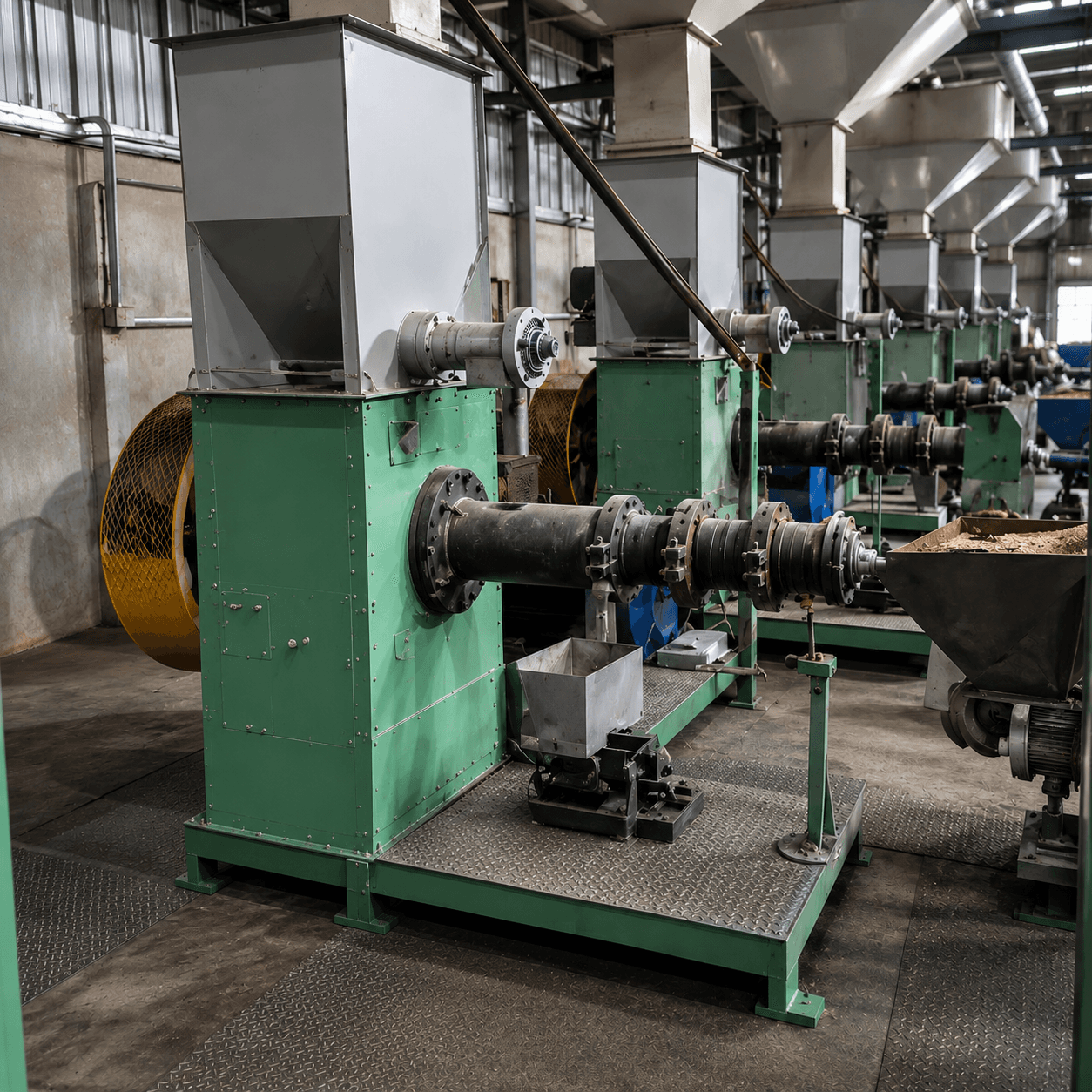
The conditioned soybeans are fed into the extruder. A barrel with a screw that rotates within it makes up the extruder.
Soybeans go through the extruder where they face high pressure and heat. This cooking turns the beans into swollen bits called collets getting them ready to extract oil.
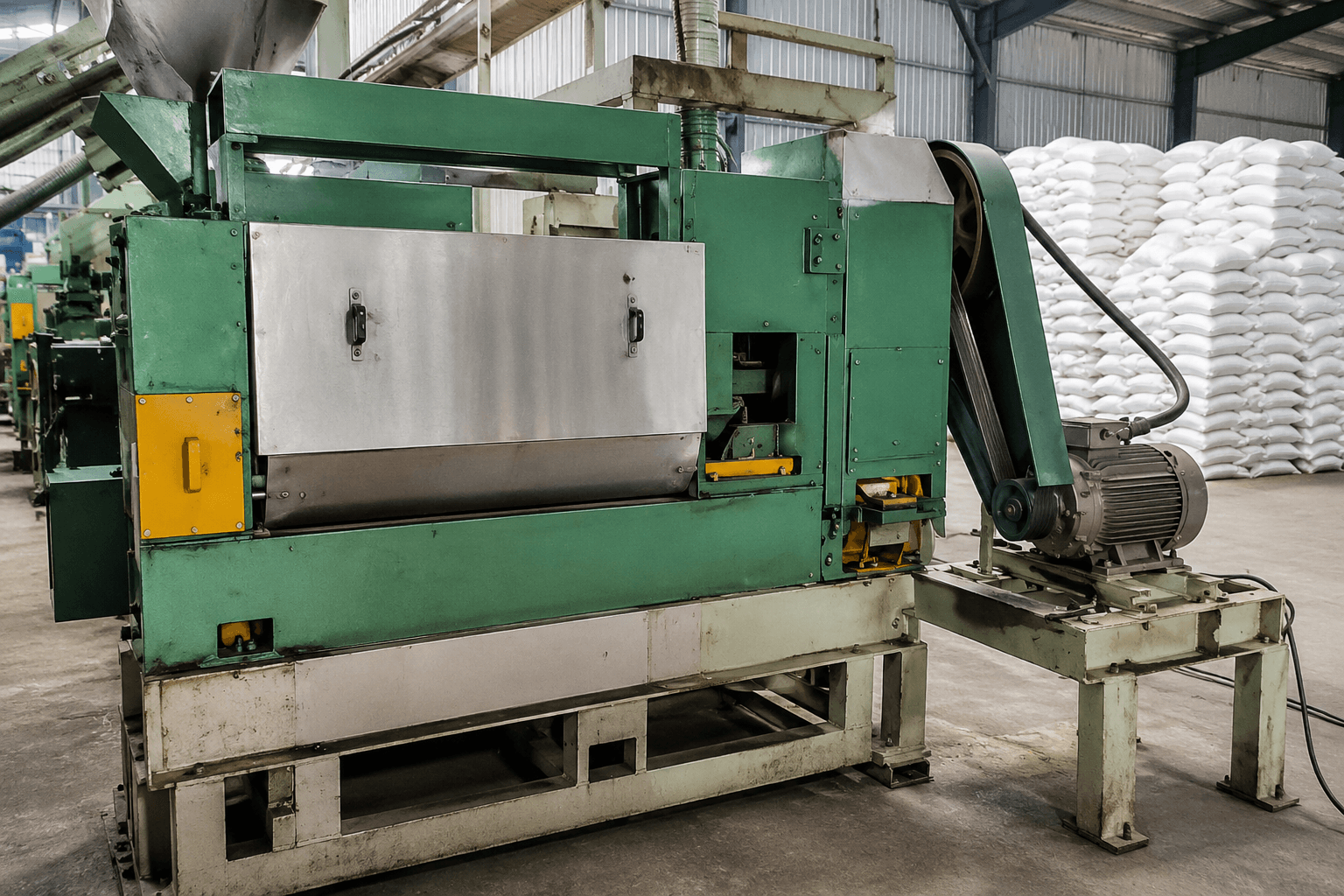
The heat and pressure in the extruder make the soybeans release their oil. The machine then squeezes out the oil leaving soya meal with about 6% fat left in it.
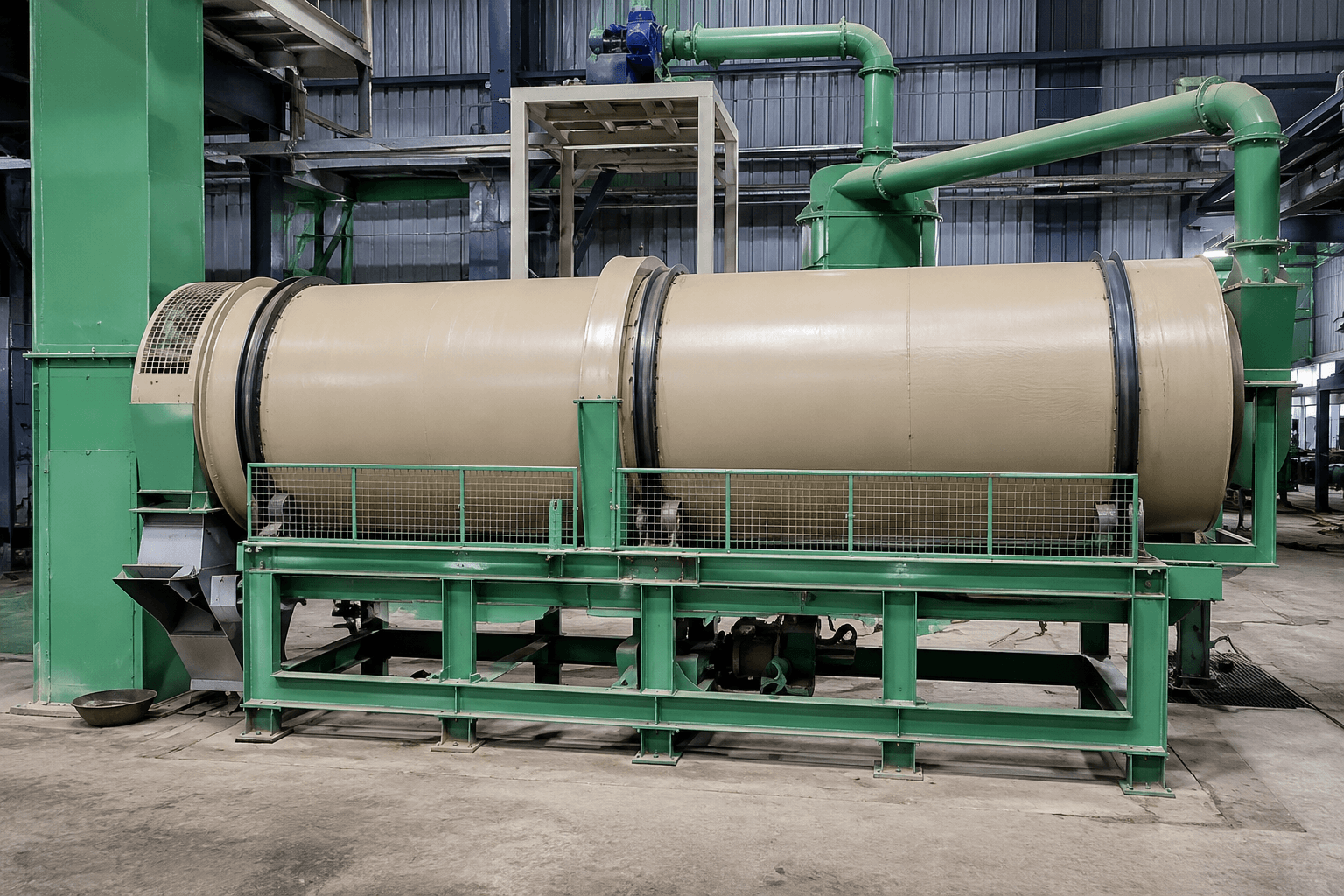
The extruded meal cools down to keep it stable. After cooling, the meal goes through a drying process to lower its moisture to a safe level, preventing spoilage and ensuring the product stays stable.
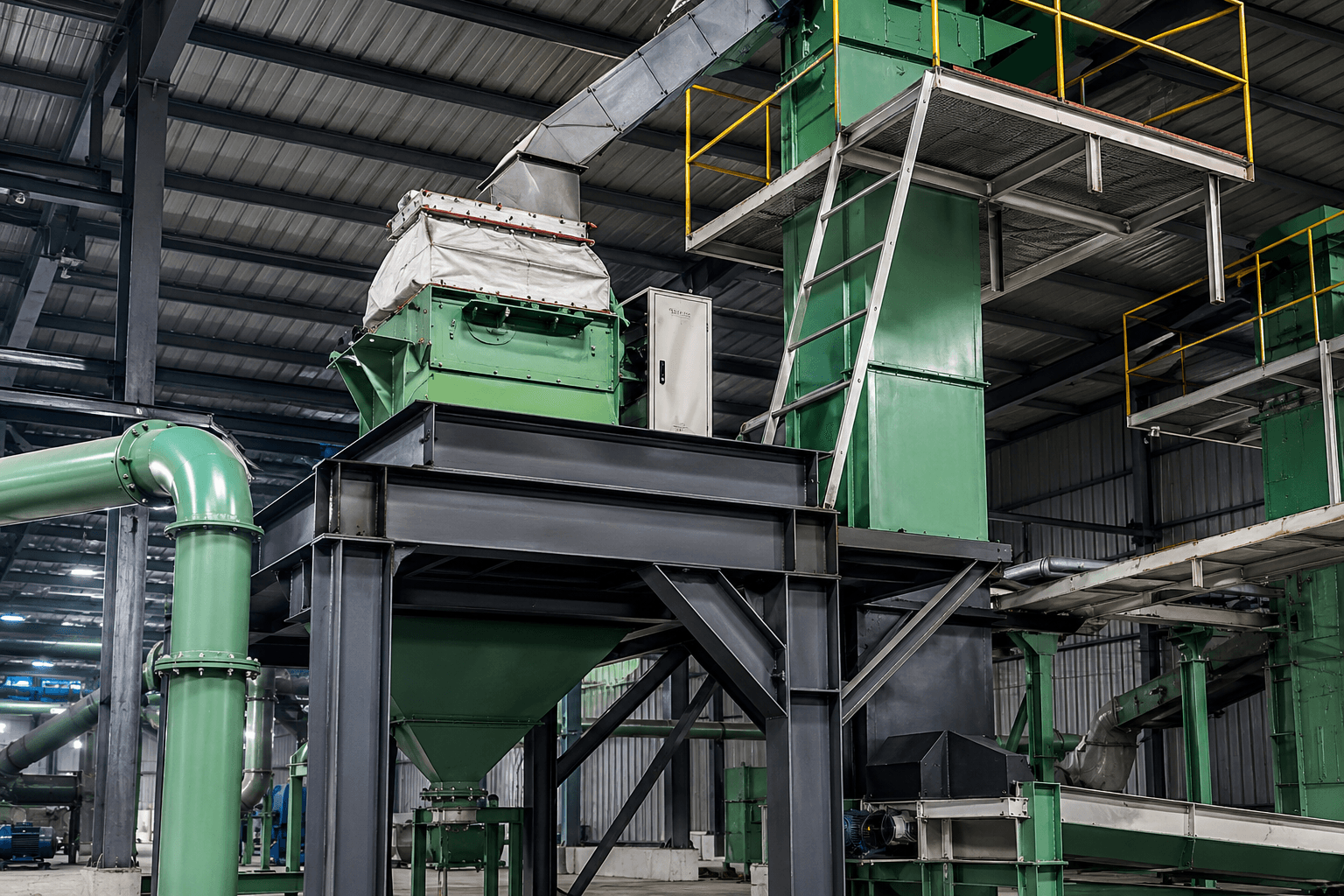
The meal is ground to a preferred size after it has been cooled and dried, ensuring that it meets the required specifications for subsequent use.
The extracted oil goes into collection and might go through more processing to get rid of impurities. This leads to crude soybean oil, which then sits in tanks for later use or more refining.
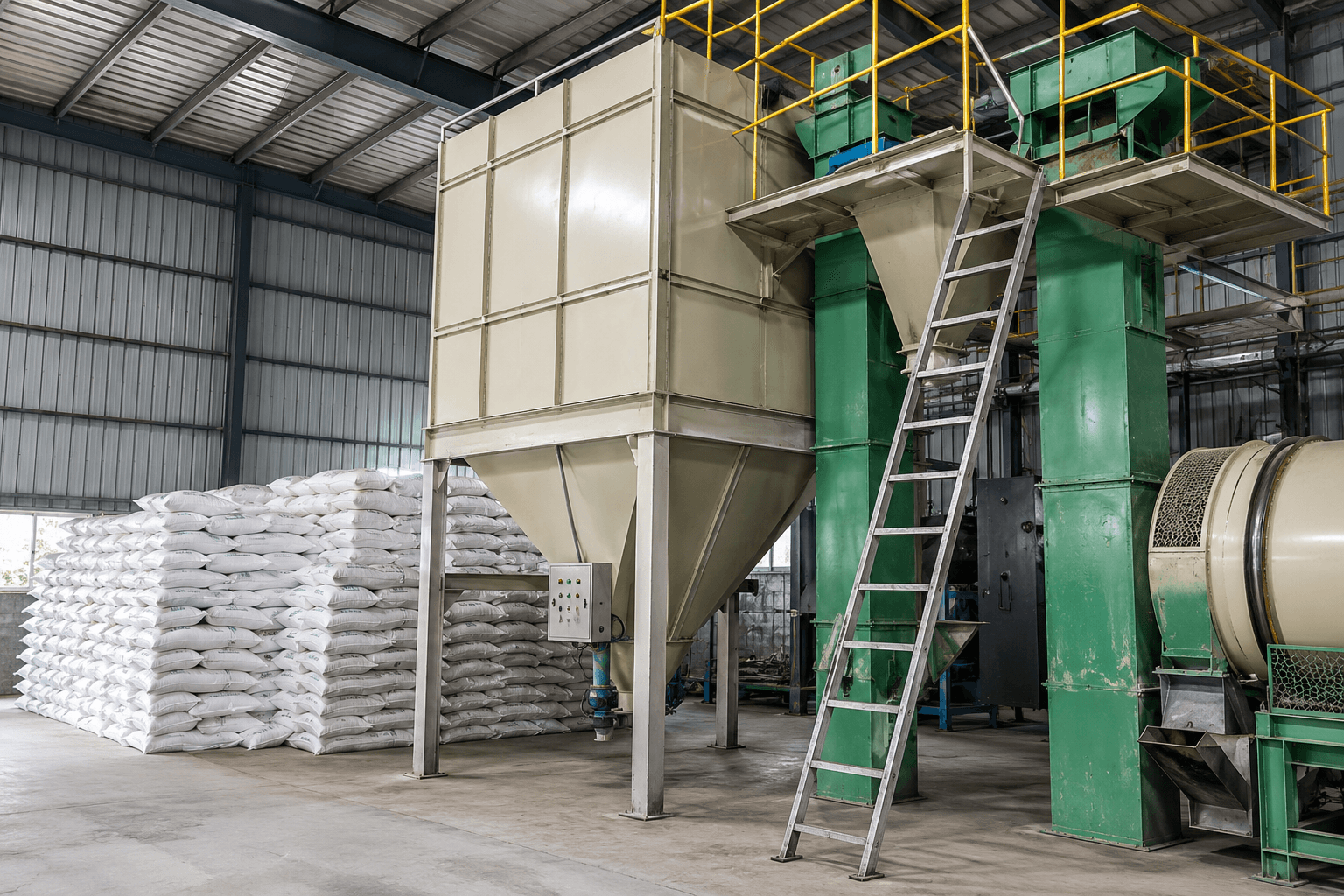
The end product is carefully packed for distribution and usage in animal nutrition or other purposes so that it satisfies all necessary quality criteria.
Talk to our team for detailed process sheets, quality validation standards, and commercial dispatch planning.